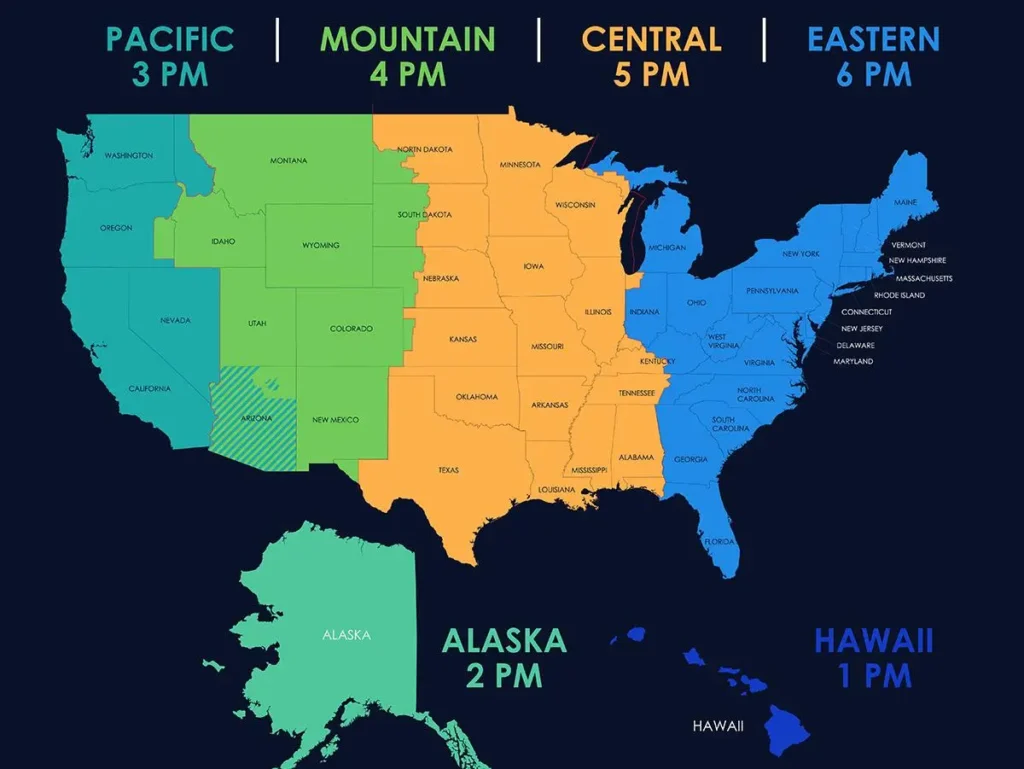
Daylight saving time (DST) affects millions of people worldwide by changing how local clocks align with daylight during different seasons. While many countries move their clocks forward and backward each year, others maintain standard time throughout the year. Understanding daylight saving time is important for international travel, business scheduling, personal health, and global communication. This guide explains which countries observe DST, why clocks change, and how these seasonal adjustments affect everyday life.
Table of Contents
The History and Purpose of Daylight Saving Time
DST was first widely implemented during World War I as an energy conservation measure. The concept involves advancing clocks by one hour during warmer months to make better use of natural daylight, theoretically reducing the need for artificial lighting and saving energy.
Original Objectives
- Energy Conservation: Reducing electricity consumption for lighting
- Economic Benefits: Maximizing productive daylight hours
- Wartime Efficiency: Supporting industrial and military operations
- Agricultural Considerations: Aligning work schedules with natural light
- Social Advantages: Providing more evening daylight for recreation
Global Implementation Patterns
Countries That Observe DST
Approximately 70 countries implement some form of daylight saving time:
North America:
- United States (except Arizona and Hawaii)
- Canada (most provinces)
- Mexico (border regions only)
Europe:
- European Union (coordinated transitions)
- United Kingdom and Ireland
- Norway, Switzerland, and others
Other Regions:
- Parts of Australia and New Zealand
- Chile and Paraguay in South America
- Iran (unique schedule)
- Some Middle Eastern countries
Countries That Don’t Observe DST
Most of the world’s countries do not implement DST:
Asia:
- China, Japan, India
- Most Southeast Asian nations
- Russia (abolished in 2014)
Africa:
- Most African countries
- Few exceptions in North Africa
South America:
- Most countries except Chile and Paraguay
- Brazil abolished DST in 2019
Oceania:
- Many Pacific island nations
- Parts of Australia don’t observe DST
Daylight Saving Time Dates and Rules for 2026 and 2027
Daylight saving time does not begin and end on the same dates worldwide. Countries that observe seasonal clock changes follow their own rules, which can affect international meetings, flights, and business operations.
The United States generally moves clocks forward on the second Sunday in March and backward on the first Sunday in November. European Union countries follow a different schedule, switching on the last Sunday of March and October.
Daylight Saving Time Change Dates
| Region | 2026 DST Starts | 2026 DST Ends | 2027 DST Starts | 2027 DST Ends |
|---|---|---|---|---|
| Most of the United States | March 8 | November 1 | March 14 | November 7 |
| European Union | March 29 | October 25 | March 28 | October 31 |
These schedules apply to areas that observe the relevant DST rules. Some US states and territories do not change their clocks.
Why Different DST Dates Matter
Different transition dates create temporary changes in time differences between countries.
For example, New York begins daylight saving time on March 14, 2027, while London switches on March 28. During this two-week period, New York is four hours behind London instead of the usual five-hour difference during much of the year.
Travelers, remote workers, and international businesses should verify local time differences before scheduling important activities.
For additional context, read our Time Zones for Global Business guide.
Economic Impact Analysis
Energy Consumption Effects
Modern research shows mixed results on energy savings:
Potential Benefits:
- Reduced lighting demand in evening hours
- Lower peak electricity demand
- Decreased air conditioning usage in some regions
- Industrial efficiency improvements
Offsetting Factors:
- Increased morning energy usage
- Air conditioning demand shifts
- Modern LED lighting reduces potential savings
- 24/7 economy diminishes impact
Business and Commerce Impacts
DST affects various business sectors differently:
Retail and Hospitality:
- Extended evening shopping hours
- Increased restaurant and entertainment revenue
- Tourism and recreational activity benefits
- Seasonal business optimization
Transportation and Logistics:
- Schedule coordination complexities
- International timing conflicts
- Aviation industry disruptions
- Supply chain timing adjustments
Financial Markets:
- Trading hour misalignments
- International market coordination issues
- System update costs and risks
- Communication timing challenges
Productivity and Economic Costs
Research reveals significant hidden costs:
- Lost productivity from sleep disruption
- Increased workplace injuries and accidents
- Higher healthcare costs from health impacts
- Technology and system update expenses
Health and Social Impacts
Sleep and Circadian Rhythm Effects
DST transitions disrupt natural biological rhythms:
Immediate Effects:
- Sleep schedule disruption
- Increased insomnia and sleep disorders
- Mood and cognitive performance changes
- Fatigue and attention deficits
Long-term Consequences:
- Increased risk of heart attacks
- Higher stroke incidence
- Depression and seasonal affective disorder
- Weakened immune system function
Public Safety Considerations
Time changes correlate with increased safety risks:
Traffic Safety:
- Higher accident rates following transitions
- Pedestrian safety concerns
- Impaired driver reaction times
- Emergency response coordination challenges
Workplace Safety:
- Increased industrial accidents
- Higher injury rates in construction and manufacturing
- Reduced attention and decision-making ability
- Emergency services strain
Social and Behavioral Changes
DST affects social patterns and lifestyle:
- Changes in leisure and recreational activities
- Impact on family schedules and routines
- Educational institution adjustments
- Community event timing modifications
Technology and Modern Challenges
Digital Infrastructure Complexity
Modern technology creates new DST challenges:
Software and Systems:
- Operating system and application updates
- Database timestamp complications
- International communication systems
- Cloud computing and server synchronization
Internet and Communications:
- Global network coordination
- Real-time application challenges
- Video conferencing scheduling conflicts
- Digital transaction timing issues
Implementation Costs
Technology-related expenses include:
- System testing and validation
- Software development and maintenance
- Infrastructure upgrade requirements
- Technical support and troubleshooting
Regional Variations and Controversies
European Union Debate
The EU has been reconsidering DST policy:
- 2021 proposal to end mandatory DST
- Member state disagreements on implementation
- Economic and social impact assessments
- Coordination challenges across time zones
United States Legislative Efforts
Several US states and federal initiatives aim to address DST:
- Sunshine Protection Act proposals
- State-level legislation attempts
- Interstate commerce considerations
- Federal vs. state authority questions
Regional Conflicts and Exceptions
DST creates complications in various regions:
- US state and county exceptions
- Indigenous community preferences
- Border region coordination issues
- Tourism and business impacts
Scientific Research and Evidence
Energy Studies
Modern research challenges traditional assumptions:
- Meta-analyses of energy consumption data
- Smart grid and real-time monitoring studies
- Climate and geographic variation impacts
- Seasonal and regional difference analyses
Health Research
Extensive medical research documents DST effects:
- Cardiovascular health studies
- Mental health impact assessments
- Sleep disorder research
- Pediatric and elderly population studies
What Scientific Research Says About Daylight Saving Time
The health impact of daylight saving time is an important part of the global debate about seasonal clock changes.
The American Academy of Sleep Medicine supports permanent standard time because it more closely aligns with the human body’s natural sleep and wake rhythms.
Seasonal clock changes can temporarily disrupt sleep patterns, especially during the spring transition when clocks move forward. Research has also examined associations between these changes and cardiovascular health, fatigue, and public safety risks.
However, individual responses vary, and not every reported health outcome has the same level of scientific evidence.
The debate is therefore not simply about enjoying longer evenings. It also involves balancing recreational preferences, sleep health, safety, and the effects of changing daily schedules.
Source: American Academy of Sleep Medicine position statement.
Economic Analysis
Comprehensive economic research reveals:
- Cost-benefit analysis across sectors
- Productivity impact measurements
- Healthcare cost assessments
- Technology implementation expenses
Global Trends and Future Outlook
Movement Away from DST
Many regions are abandoning DST:
- Russia permanently ended DST in 2014
- Brazil stopped observing DST in 2019
- Several US states have passed elimination legislation
- Growing scientific consensus against DST
Standardization Efforts
International coordination initiatives include:
- UTC-based global time standards
- Regional time zone harmonization
- Technology platform standardization
- Business hour coordination protocols
Alternative Approaches
Innovative solutions to time and energy management:
- Flexible work schedules
- Demand-response energy systems
- Smart lighting and automation
- Regional time zone adjustments
Practical Implications for Individuals and Organizations
Personal Adaptation Strategies
Managing DST transitions effectively:
- Gradual sleep schedule adjustments
- Light exposure therapy
- Consistent routine maintenance
- Health monitoring and care
Business Preparation
Organizations can minimize DST disruption:
- System testing and backup procedures
- Employee education and support
- International coordination planning
- Customer communication strategies
Travel and International Coordination
Navigating DST for global activities:
- Meeting schedule verification
- Travel planning considerations
- Communication timing awareness
- Technology tool utilization
How Daylight Saving Time Affects International Meetings
International teams can experience scheduling problems when one country changes its clocks and another does not. This is especially important for organizations working with colleagues across North America, Europe, and Asia.
For example, Pakistan follows Pakistan Standard Time (UTC+5) throughout the year, while New York alternates between Eastern Standard Time (UTC-5) and Eastern Daylight Time (UTC-4).
When it is 9:00 AM in New York:
- During standard time, it is 7:00 PM in Karachi.
- During daylight saving time, it is 6:00 PM in Karachi.
This one-hour difference can affect regular meetings, project deadlines, and customer support schedules.
Before organizing international meetings, use the CountryTimezone Time Zone Comparison Tool to check local times.
Businesses with employees across different countries can also follow the recommendations in our Remote Work and Global Time Zones guide.
Policy Considerations and Recommendations
Evidence-Based Decision Making
Policy development should consider:
- Comprehensive cost-benefit analysis
- Health impact assessments
- Technology infrastructure requirements
- International coordination needs
Implementation Strategies
Effective DST policy requires:
- Stakeholder consultation and engagement
- Phased implementation approaches
- Monitoring and evaluation systems
- Flexibility for regional variations
International Cooperation
Global coordination benefits include:
- Reduced business and communication complexity
- Improved public health outcomes
- Technology standardization advantages
- Economic efficiency gains
Frequently Asked Questions About Daylight Saving Time
What is daylight saving time?
Daylight saving time is the practice of moving clocks forward, usually by one hour, during part of the year. This shifts an hour of daylight from the morning to the evening according to the clock. When DST ends, clocks return to standard time.
Which countries observe daylight saving time?
Many countries in Europe and North America observe daylight saving time, along with New Zealand and certain regions of Australia and South America. Countries such as Pakistan, India, China, Japan, and most African nations do not currently change their clocks seasonally.
Does daylight saving time affect international meetings?
Yes. Countries follow different clock-change schedules, and many do not observe DST at all. As a result, the time difference between two countries can change during the year. International teams should verify meeting times using a time-zone-aware calendar or comparison tool.
Is daylight saving time beneficial for health?
Daylight saving time provides more evening daylight according to the clock, but seasonal transitions can disrupt sleep and circadian rhythms. The American Academy of Sleep Medicine supports permanent standard time as the option most closely aligned with human biology.
Conclusion
Daylight Saving Time represents a complex policy issue with far-reaching impacts on health, economy, and society. While originally designed for energy conservation, modern research reveals limited benefits and significant costs, particularly in health and safety. The global trend appears to be moving away from DST as evidence mounts regarding its negative impacts and diminishing benefits. However, changing established time policies requires careful coordination and consideration of international, economic, and social factors.
As technology continues to evolve and our understanding of circadian rhythms and public health improves, the debate over DST will likely continue. The challenge lies in balancing traditional practices with modern evidence to create time policies that best serve public health, economic efficiency, and social well-being. Whether maintaining, modifying, or eliminating DST, policymakers must consider the full range of impacts and stakeholder needs to make informed decisions about this seemingly simple yet remarkably complex aspect of modern life. The future of time policy will depend on our ability to adapt traditional practices to contemporary needs while considering the global, interconnected nature of modern society and commerce.