
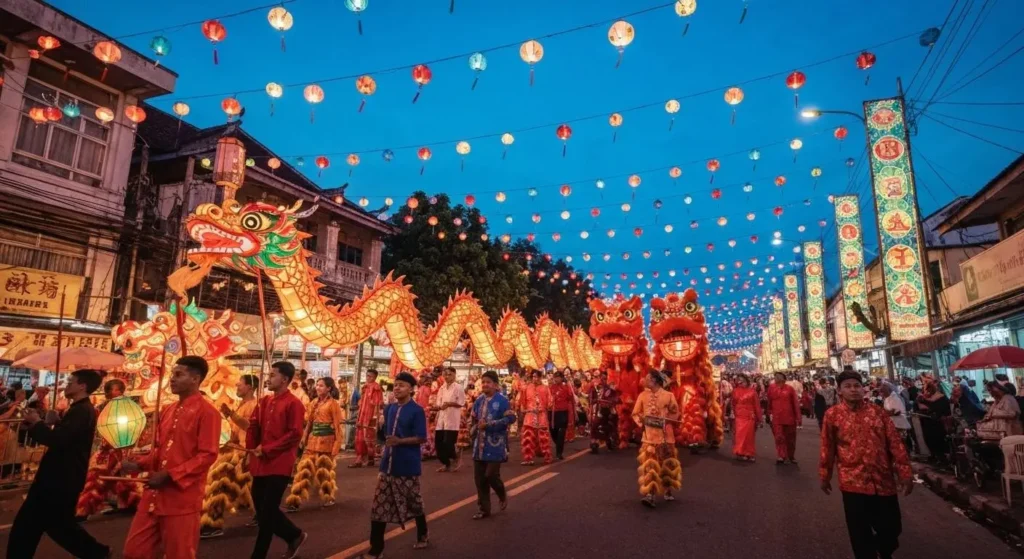
Cultural festivals around the world represent humanity’s diverse heritage, bringing communities together to celebrate traditions, beliefs, and shared experiences. These vibrant celebrations offer a glimpse into different cultures, preserve cultural identities, and create meaningful connections across geographical and social boundaries.
Table of Contents
The Universal Language of Celebration
Why Festivals Matter
Cultural festivals serve multiple important functions:
- Preserving traditional knowledge and customs
- Strengthening community bonds and identity
- Educating younger generations about heritage
- Promoting cultural exchange and understanding
- Supporting local economies and tourism
- Providing joy and shared experiences
Common Elements Across Cultures
Despite their diversity, festivals often share:
- Ritualistic and ceremonial components
- Music, dance, and artistic performances
- Special foods and culinary traditions
- Colorful decorations and symbolic displays
- Community participation and volunteering
- Storytelling and oral tradition sharing
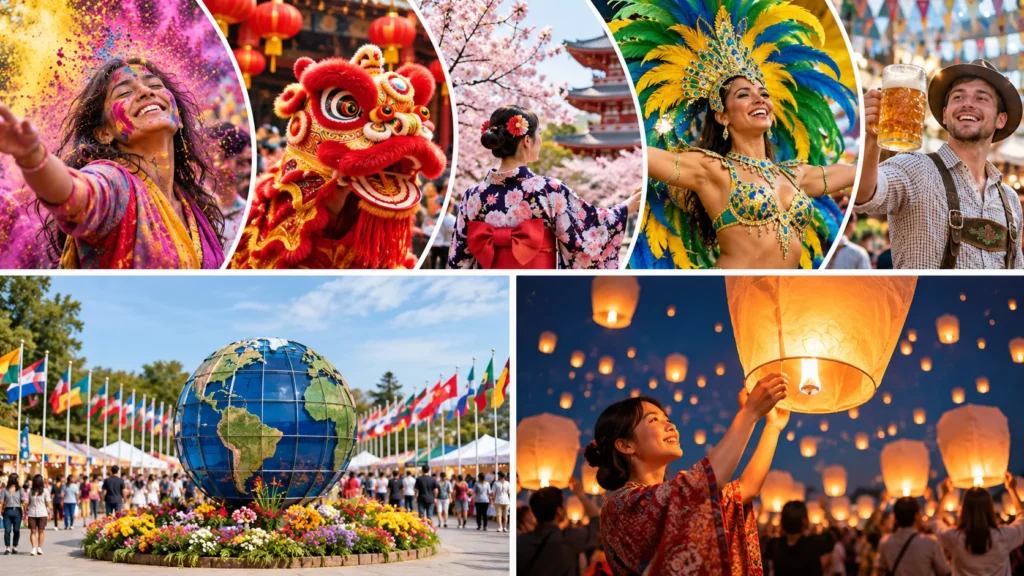
Seasonal and Religious Celebrations
Spring Festivals
Celebrating renewal and rebirth:
Holi (India and Nepal)
- Festival of colors marking spring arrival
- Throwing colored powders and water
- Symbolic victory of good over evil
- Community bonding across social divisions
- Traditional sweets and festive foods
Cherry Blossom Festivals (Japan)
- Hanami tradition of flower viewing
- Picnics under blooming sakura trees
- Poetry and artistic inspiration
- Reflection on life’s transient beauty
- Community gatherings and celebrations
Nowruz (Persian New Year)
- Ancient Zoroastrian spring celebration
- 13-day festival marking vernal equinox
- Haft-sin table with symbolic items
- Fire jumping and purification rituals
- Family gatherings and gift exchanges
Summer Celebrations
Embracing warmth and abundance:
Midsummer (Scandinavia)
- Celebration of the summer solstice
- Maypole dancing and flower crowns
- Traditional foods and aquavit
- Midnight sun festivities
- Community singing and bonfire gatherings
Edinburgh Festival Fringe (Scotland)
- World’s largest arts festival
- Thousands of performances across genres
- Street performers and experimental art
- Cultural exchange and discovery
- Economic boost to local communities
Autumn Harvest Festivals
Celebrating abundance and gratitude:
Oktoberfest (Germany)
- Traditional Bavarian beer festival
- Folk music and traditional costumes
- Authentic German cuisine and culture
- Community celebration and tourism
- Economic significance for Munich
Mid-Autumn Festival (East Asia)
- Lunar calendar celebration
- Mooncake sharing and family reunions
- Lantern displays and dragon dances
- Gratitude for harvest abundance
- Cultural significance across generations
Winter Solstice Traditions
Finding light in darkness:
Diwali (Hindu Festival of Lights)
- Five-day celebration of light over darkness
- Oil lamp lighting and fireworks
- Sweet exchanges and gift giving
- Spiritual significance and prayers
- Rangoli art and home decorations
Las Posadas (Mexico and Central America)
- Nine-day Christmas celebration
- Reenactment of Mary and Joseph’s journey
- Processions, piñatas, and traditional foods
- Community participation and hospitality
- Religious and cultural significance
Regional Cultural Celebrations
African Festivals
Rich traditions across the continent:
Carnival of Cultures (Various African Countries)
- Celebration of African heritage and diversity
- Traditional music, dance, and costumes
- Storytelling and oral tradition preservation
- Community pride and cultural identity
- Modern adaptations of ancient customs
Timkat (Ethiopia)
- Orthodox Christian Epiphany celebration
- Colorful processions and water blessings
- Traditional white cotton garments
- Community participation and devotion
- Cultural and religious significance
Latin American Celebrations
Vibrant and passionate festivals:
Carnival (Brazil)
- World-famous Rio de Janeiro celebration
- Samba dancing and elaborate costumes
- Street parties and parades
- Cultural expression and creativity
- Economic impact and tourism attraction
Day of the Dead (Mexico)
- Día de los Muertos honoring deceased loved ones
- Colorful altars and skull decorations
- Traditional foods and offerings
- Blend of indigenous and Catholic traditions
- Family gatherings and remembrance
Asian Pacific Festivals
Ancient wisdom meets modern celebration:
Chinese New Year
- Lunar calendar celebration worldwide
- Dragon and lion dances
- Red decorations and lucky symbols
- Family reunions and traditional foods
- Cultural preservation in diaspora communities
Songkran (Thailand)
- Buddhist New Year water festival
- Traditional water throwing ceremonies
- Temple visits and merit-making
- Community cleansing and renewal
- Cultural significance and modern adaptations
Modern Cultural Phenomena
Music and Arts Festivals
Contemporary cultural expressions:
Burning Man (USA)
- Temporary community in Nevada desert
- Radical self-expression and creativity
- Art installations and performances
- Gift economy and community participation
- Modern ritual and cultural experiment
Coachella Valley Music Festival (USA)
- Multi-genre music and arts festival
- Fashion and cultural trendsetting
- Artist discovery and mainstream exposure
- Social media and cultural influence
- Economic impact on local communities
Technology and Innovation Festivals
Celebrating digital culture:
South by Southwest (SXSW)
- Convergence of music, film, and interactive media
- Technology innovation showcases
- Cultural trendsetting and industry networking
- Economic development and city branding
- Digital age cultural celebration
Festival Tourism and Economic Impact
Cultural Economy
Festivals drive significant economic activity:
- Tourist attraction and destination marketing
- Local business revenue generation
- Employment opportunities and skill development
- Infrastructure development and improvement
- Cultural industry growth and support
Sustainable Festival Practices
Modern festivals increasingly focus on:
- Environmental sustainability and waste reduction
- Local sourcing and community support
- Cultural authenticity and respect
- Accessibility and inclusion initiatives
- Long-term community benefit strategies
Preserving Cultural Heritage
Traditional Knowledge Transfer
Festivals serve as vehicles for:
- Intergenerational knowledge sharing
- Language preservation and promotion
- Craft and skill demonstration
- Historical storytelling and education
- Cultural identity strengthening
Adaptation and Evolution
Balancing tradition with modernity:
- Incorporating new technologies and media
- Adapting to changing social contexts
- Maintaining core cultural values
- Reaching younger generation audiences
- Global diaspora community connections
Cultural Exchange and Understanding
Breaking Down Barriers
Festivals promote cross-cultural understanding through:
- Shared experiences and participation
- Cultural education and awareness
- Stereotype challenging and relationship building
- Global community creation
- Peace and reconciliation efforts
Digital Age Connections
Modern technology enables:
- Virtual festival participation and streaming
- Social media cultural sharing
- Global audience engagement
- Cultural education and resources
- Remote community building
Planning Cultural Festival Experiences
Respectful Participation
Guidelines for festival attendance:
- Research cultural significance and etiquette
- Support local businesses and communities
- Respect sacred and traditional elements
- Engage with openness and curiosity
- Follow local customs and guidelines
Authentic Experiences
Seeking meaningful cultural connections:
- Choose community-based festivals
- Support traditional artisans and performers
- Learn about historical and cultural contexts
- Participate in educational activities
- Build lasting cultural relationships
The Future of Cultural Festivals
Emerging Trends
Contemporary festival developments:
- Fusion of traditional and modern elements
- Environmental consciousness and sustainability
- Digital integration and virtual reality
- Inclusive accessibility and participation
- Global collaboration and cultural exchange
Challenges and Opportunities
Modern festivals face:
- Commercialization vs. authenticity balance
- Cultural appropriation prevention
- Climate change and environmental impact
- Globalization and cultural homogenization
- Technology integration and tradition preservation
Conclusion
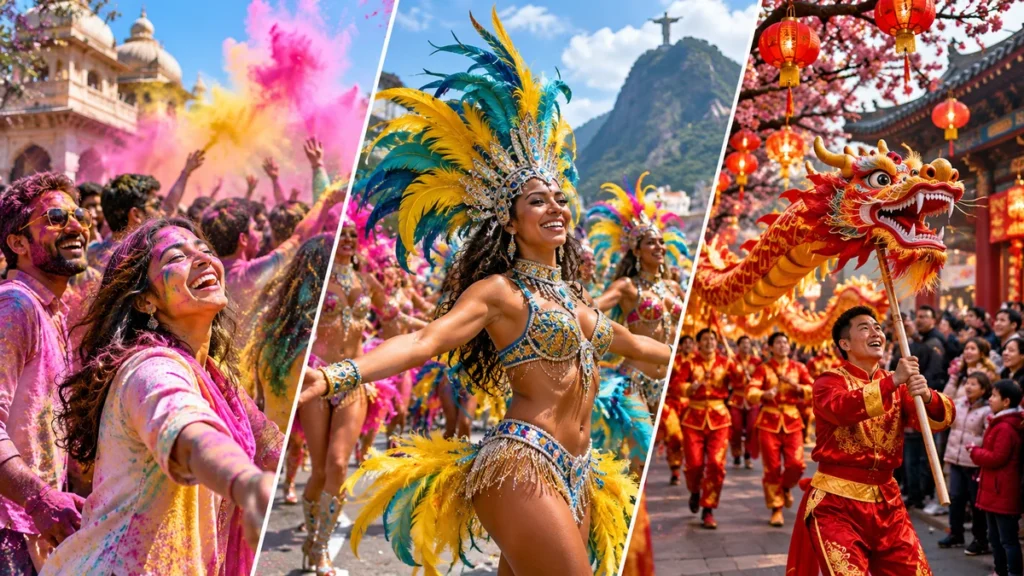
Cultural festivals represent humanity’s beautiful diversity while demonstrating our shared need for celebration, community, and connection. These vibrant gatherings preserve ancient wisdom, create economic opportunities, and build bridges between different cultures and generations.
Whether participating in local community celebrations or traveling to experience festivals worldwide, these events offer transformative experiences that expand understanding, create memories, and foster global connections. In an increasingly connected world, cultural festivals remain vital expressions of human creativity, spirituality, and community.
The future of cultural festivals depends on balancing tradition with innovation, maintaining authenticity while embracing inclusivity, and preserving cultural heritage while adapting to modern contexts. Through respectful participation and support, we can ensure these magnificent celebrations continue to enrich lives and preserve cultural treasures for future generations.