
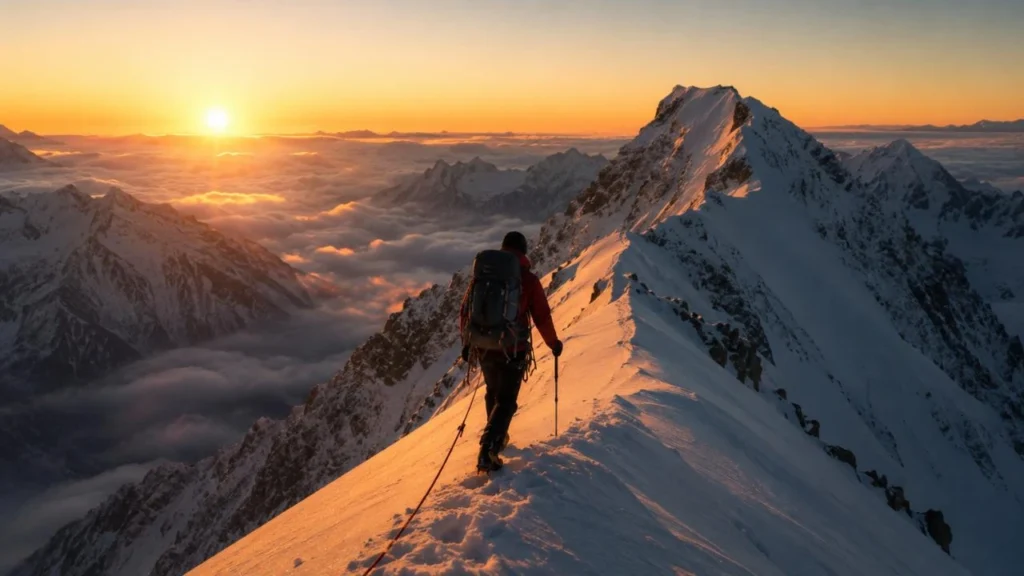
Adventure travel pushes boundaries, challenges limits, and creates transformative experiences in some of Earth’s most remarkable and demanding environments. For thrill-seekers and explorers, extreme adventure travel destinations offer unforgettable experiences that test physical endurance, build mental resilience, and create profound connections with nature.
Table of Contents
Defining Adventure Travel
What Makes a Destination Extreme
Extreme destinations typically feature:
- Challenging physical and environmental conditions
- Remote locations with limited infrastructure
- Significant preparation and specialized equipment requirements
- Potential risks requiring expert guidance
- Unique natural phenomena and wildlife encounters
- Cultural immersion in remote communities
Types of Adventure Travelers
Different motivations drive extreme destination choices:
- Mountaineers seeking peak conquests
- Wildlife enthusiasts pursuing rare encounters
- Cultural explorers connecting with remote communities
- Adrenaline junkies seeking physical challenges
- Photographers capturing extraordinary landscapes
- Scientists and researchers studying unique environments
/image
Polar Expeditions: Earth’s Frozen Frontiers
Arctic Adventures
The far north offers unparalleled experiences:
Svalbard, Norway
- Polar bear encounters in natural habitat
- Northern lights viewing opportunities
- Glacier hiking and ice cave exploration
- Dog sledding across frozen tundra
- Midnight sun phenomena in summer
Greenland Expeditions
- Massive ice sheet exploration
- Traditional Inuit culture encounters
- Kayaking among icebergs
- Arctic wildlife photography
- Climate change impact observation
Antarctic Expeditions
The ultimate frontier adventure:
- Emperor penguin colony visits
- Research station interactions
- Extreme weather condition experiences
- Pristine wilderness preservation education
- Scientific research participation opportunities
Planning Polar Adventures:
- Specialized clothing and equipment requirements
- Physical fitness and health preparations
- Travel insurance and emergency evacuation coverage
- Expert guide and expedition company selection
- Environmental impact and sustainability considerations
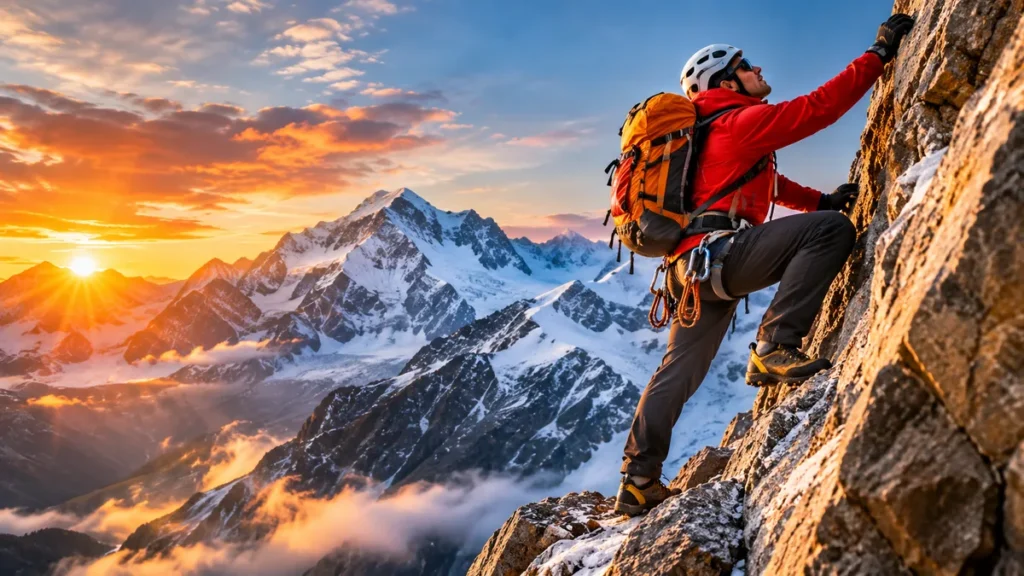
Mountain and High-Altitude Destinations
Himalayan Expeditions
The world’s highest peaks challenge even experienced climbers:
Everest Base Camp Trek, Nepal
- Acclimatization and altitude training
- Sherpa culture and Buddhist monastery visits
- Kala Patthar viewpoint ascent
- Challenging terrain and weather conditions
- Personal achievement and goal completion
K2 Base Camp, Pakistan
- Technical climbing skill requirements
- Remote location and limited rescue options
- Extreme weather and avalanche risks
- Baltoro Glacier navigation
- Advanced mountaineering experience needed
Other Extreme Mountain Destinations
Denali, Alaska
- Extreme cold weather climbing
- Self-sufficient expedition requirements
- Glacier travel and crevasse rescue skills
- Wildlife encounters including grizzly bears
- Midnight sun climbing conditions
Aconcagua, Argentina
- High-altitude acclimatization challenges
- Extreme weather variability
- Multi-week expedition commitments
- Technical climbing skill development
- South American Andes exploration
Desert and Arid Environment Adventures
Sahara Desert Expeditions
Africa’s largest desert offers unique challenges:
- Multi-day camel trekking expeditions
- Traditional Berber culture immersion
- Star gazing in pristine dark skies
- Extreme temperature variations
- Sand dune navigation and survival skills
Atacama Desert, Chile
The world’s driest desert features:
- Alien-like landscape exploration
- High-altitude lake and geyser visits
- Astronomy observation opportunities
- Unique wildlife and plant adaptations
- Mars analog research site visits
Arabian Peninsula Adventures
Empty Quarter (Rub’ al Khali)
- Massive sand dune systems
- Traditional Bedouin culture encounters
- Extreme heat and water scarcity challenges
- Navigation and survival skill requirements
- Historical trade route exploration
Jungle and Rainforest Expeditions
Amazon Rainforest
The world’s largest tropical rainforest offers:
- Incredible biodiversity encounters
- Indigenous community interactions
- Canopy walking and zip-lining adventures
- Piranha fishing and caiman spotting
- River navigation and rapids running
Amazon Preparation Requirements:
- Tropical disease vaccinations and prevention
- Insect protection and bite treatment
- Water purification and safety measures
- Emergency communication devices
- Expert local guide arrangements
Congo Basin, Central Africa
Remote jungle exploration includes:
- Mountain gorilla trekking experiences
- Pygmy community cultural exchanges
- Challenging river crossings and navigation
- Tropical disease and safety precautions
- Conservation education and support
Borneo Rainforest Adventures
Malaysian and Indonesian Borneo
- Orangutan rehabilitation center visits
- Cave exploration and spelunking
- Multi-day jungle trekking expeditions
- Traditional Dayak culture encounters
- River rafting and waterfall rappelling
Ocean and Marine Adventures
Deep Ocean Expeditions
Underwater extreme adventures include:
- Submersible dives to ocean depths
- Shark cage diving experiences
- Underwater cave and cavern exploration
- Coral reef research participation
- Marine wildlife photography expeditions
Remote Island Adventures
Galapagos Islands, Ecuador
- Unique species evolution observation
- Research station visits and participation
- Challenging hiking and snorkeling conditions
- Conservation education and volunteer opportunities
- Scientific research expedition participation
Easter Island (Rapa Nui), Chile
- Archaeological site exploration
- Remote Pacific island survival challenges
- Polynesian culture and history education
- Limited resource and supply considerations
- Cultural preservation and respect requirements
Extreme Weather and Natural Phenomena
Storm Chasing Adventures
Following severe weather includes:
- Tornado alley expeditions in the US
- Hurricane and cyclone tracking experiences
- Lightning photography opportunities
- Meteorological education and understanding
- Safety protocols and emergency procedures
Volcanic Expeditions
Active volcano exploration features:
- Lava flow observation and photography
- Volcanic landscape hiking and climbing
- Geological education and research
- Local community impact understanding
- Safety equipment and evacuation planning
Notable Volcanic Destinations:
- Stromboli, Italy: Regular eruption viewing
- Kilauea, Hawaii: Active lava flow access
- Mount Etna, Sicily: Crater rim exploration
- Erta Ale, Ethiopia: Lava lake observation
- Yasur, Vanuatu: Accessible volcanic activity
Essential Preparation and Safety
Physical and Mental Preparation
Successful extreme adventure requires:
- Comprehensive fitness training programs
- Mental resilience and stress management
- Technical skill development and practice
- Emergency response training
- Medical and first aid certification
Equipment and Gear Selection
Specialized equipment considerations include:
- Climate-specific clothing and protection
- Navigation and communication devices
- Emergency shelter and survival gear
- Medical and first aid supplies
- Photography and documentation equipment
Risk Management and Safety
Critical safety considerations include:
- Professional guide and operator selection
- Comprehensive insurance coverage
- Emergency evacuation planning
- Communication and check-in protocols
- Local regulation and permit compliance
Cultural Sensitivity and Environmental Responsibility
Respecting Local Communities
Ethical adventure travel requires:
- Cultural education and preparation
- Local guide and community support
- Traditional customs and beliefs respect
- Economic benefit sharing with communities
- Minimal cultural impact and disruption
Environmental Conservation
Sustainable adventure travel includes:
- Leave No Trace principles adherence
- Wildlife disturbance minimization
- Ecosystem protection and preservation
- Carbon footprint reduction efforts
- Conservation organization support
Ethical Adventure Tourism
Responsible extreme travel involves:
- Local operator and guide support
- Community-based tourism participation
- Environmental impact minimization
- Cultural heritage preservation
- Educational and awareness promotion
Technology and Modern Adventure Travel
Advanced Equipment and Technology
Modern adventure travel benefits from:
- GPS navigation and satellite communication
- Weather forecasting and monitoring systems
- Emergency location beacons and rescue devices
- Advanced medical and survival equipment
- Documentation and sharing technology
Digital Planning and Preparation
Technology assists adventure planning through:
- Satellite imagery and route planning
- Weather pattern analysis and prediction
- Cultural and historical research resources
- Equipment reviews and recommendations
- Community forums and experience sharing
The Future of Adventure Travel
Emerging Destinations
New extreme adventure opportunities include:
- Space tourism and suborbital flights
- Deep ocean exploration expeditions
- Arctic shipping route adventures
- Climate change impact observation tours
- Restoration and conservation participation expeditions
Sustainable Adventure Tourism
Future trends emphasize:
- Carbon-neutral adventure expeditions
- Community-owned tourism enterprises
- Technology-enhanced safety and sustainability
- Educational and scientific research integration
- Climate change adaptation and awareness
Conclusion
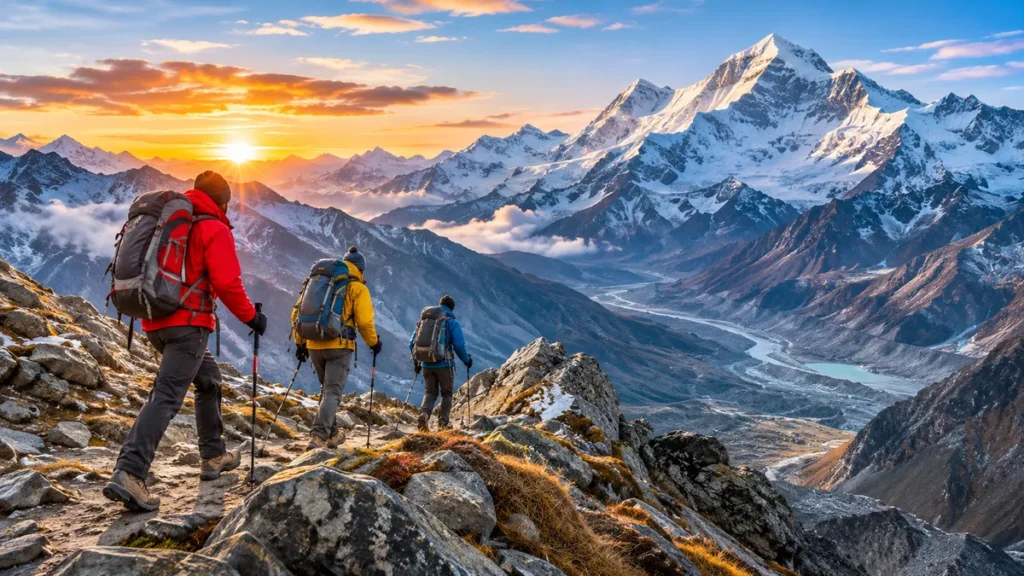
Adventure travel to extreme destinations offers transformative experiences that push personal boundaries while connecting travelers with Earth’s most remarkable environments and cultures. These journeys require significant preparation, respect for local communities and environments, and commitment to safety and sustainability.
Success in extreme adventure travel depends on thorough preparation, appropriate equipment, expert guidance, and responsible practices that minimize impact while maximizing personal growth and cultural understanding. As climate change and global development continue to alter these destinations, the opportunity to experience them authentically becomes increasingly precious.
For those willing to invest in proper preparation and embrace the challenges, extreme destination adventure travel provides unparalleled opportunities for personal transformation, cultural education, and natural world connection that create lasting memories and profound life impacts.
The future of adventure travel lies in balancing the pursuit of extraordinary experiences with responsibility toward the environments and communities that make these adventures possible, ensuring these remarkable destinations remain accessible for future generations of explorers and adventurers.